A clearance is formal permission to move permanently from one club to another. In Victoria it runs through PlayHQ and needs approval from the club you are leaving, the club you are joining and the governing body. Clubs can generally only refuse for unpaid fees or unreturned property. For rep, you also need a Permission to Train form before you trial elsewhere.
Last updated 24 August 2026.
A clearance, sometimes called a transfer, is a permanent move. Geelong United draw the line plainly: a clearance shifts you to the new club for keeps, with no expectation that you go back.
A loan or permit is temporary. Geelong United describe a loan as a temporary change of club for one season, after which the player reverts to their original club. Dandenong use permits for a related purpose: a permit lets a player play with another club where their own club has no team in a higher age group, and the player stays registered with their original club.
The wording differs by association because these are association by laws, not one statewide rulebook. The concepts are consistent enough that you can walk into any registrar's office and be understood.
The one common thread is that none of it is informal. Turning up to train with a new club before the paperwork exists is the mistake that costs people seasons.
You start by registering to the new club on PlayHQ, and the system does the rest. Geelong United explain that PlayHQ sends the request onward, and an official from the club you are leaving, the new club and the association must approve the move before anything becomes permanent.
There are timeframes and they are short. Dandenong's by laws require electronic approval or non approval within seven days of a club receiving the request, and provide that if a club does not deal with it in that window, the domestic competitions manager decides. Geelong United publish a fourteen day automatic completion.
Refusal is not open ended. Dandenong list the grounds for denying a transfer as the player owing money to the club, holding club owned equipment that has not been returned, or having already played a grading game for the club. Geelong United land in the same place: unpaid money or an unreturned uniform are grounds, and wanting to keep the player is not one.
Dandenong also lists the grounds a club must approve on, which is a useful thing to be able to quote: a financial player who has not played a grading game, and a financial player who has not played for the club for two consecutive seasons.
This is the part that catches families out, because it happens months before anyone has decided anything. Basketball Victoria's VJBL clearance rule, dated January 2023, states that a player who has previously registered and played in a representative competition must submit a Permission to Train form before trying out with another association, ahead of any clearance or transfer request.
It also binds the associations. Under the rule an association is not permitted to begin negotiating a clearance with a player until the player has the necessary written permission or signed clearance form, and that applies equally when the player approaches the association.
There are clocks on both sides. Basketball Victoria's VJBL tryouts page states associations have five business days to approve a Permission to Train request. The clearance rule gives associations seven days to accept or reject a clearance request, and states that if no response arrives within seven days the player can notify VJBL administration, whose investigation may result in the clearance being approved or denied.
As with domestic, the grounds for refusal are narrow. The rule states clearances in the VJBL can only be rejected where the association can prove the player has outstanding fees or has failed to return association property.
The safest time to move is between seasons, before your child has played a game for anyone. Once a game has been played, doors start closing.
In the VJBL the grading phases lock players in. Basketball Victoria's clearance rule states a player who plays one or more games during Grading Phase One cannot have a clearance processed or play for another team or association during that phase, with clearance processed at the end of it. A player who plays a game in Grading Phase Two is locked through Phase Two and the championship season, with clearance processed at the end of the championship season, except where VJBL administration approves an exception in exceptional circumstances.
Domestic works the same way in miniature. Dandenong's by laws provide that a player cannot switch clubs after playing a game once the season has started, including during the grading period, and must wait for the next season or the competitions manager's discretion.
Playing before the paperwork exists is worse than waiting. Dandenong state that a player who plays with a new club before a clearance is submitted is an ineligible player and the team will forfeit.
We are not going to publish a clearance fee, because associations do not publish a consistent one and we could not verify a statewide figure. Ask your own association's registrar in writing what a transfer will cost before you begin, and get the answer in writing.
Ask about caps too, because they are real and they are invisible from the outside. Dandenong's by laws cap incoming representative talent per domestic club: one Victorian Championship player per age group per gender per season, plus a total of nine points worth of VJBL representative transfers, on a scale that runs from five points for a VJL1 player down to one point for VJL5 and lower. A club that has used its points cannot take your child even if everyone wants it to happen.
Ask about how you were approached, as well. Dandenong's by laws void a clearance where an official or representative of the association or one of its member clubs has approached, pressured or talked a player into moving, and lock the offending club out of restricted player clearances for two full seasons.
And ask about appeals. Dandenong give a club or team ten days to appeal to the domestic competitions manager where a clearance or permit is denied. Timeframes like that are why you start this conversation early rather than the week before round one.
Formal permission to move permanently from one club to another. Geelong United define it as a permanent move rather than a temporary one. It is initiated when you register to the new club on PlayHQ and needs approval from the old club, the new club and the governing body.
Only on narrow grounds. Geelong United limit refusal to a player owing money or holding unreturned property, and rule out refusing because the club would rather keep them. Dandenong add a third ground: having already played a grading game for the club.
It depends on the association. Dandenong require a decision within seven days or the competitions manager decides. Geelong United publish a fourteen day automatic completion. Basketball Victoria's VJBL clearance rule gives associations seven days to respond.
For a player who has previously played representative basketball, yes. Basketball Victoria's VJBL clearance rule requires a Permission to Train form to be submitted before trialling with another association, and Basketball Victoria's tryouts page states associations have five business days to approve one.
Usually not once a game has been played. Dandenong's by laws prevent switching clubs after playing a game once the season has started, including during grading. The VJBL locks players in for the remainder of a grading phase once they have played in it.
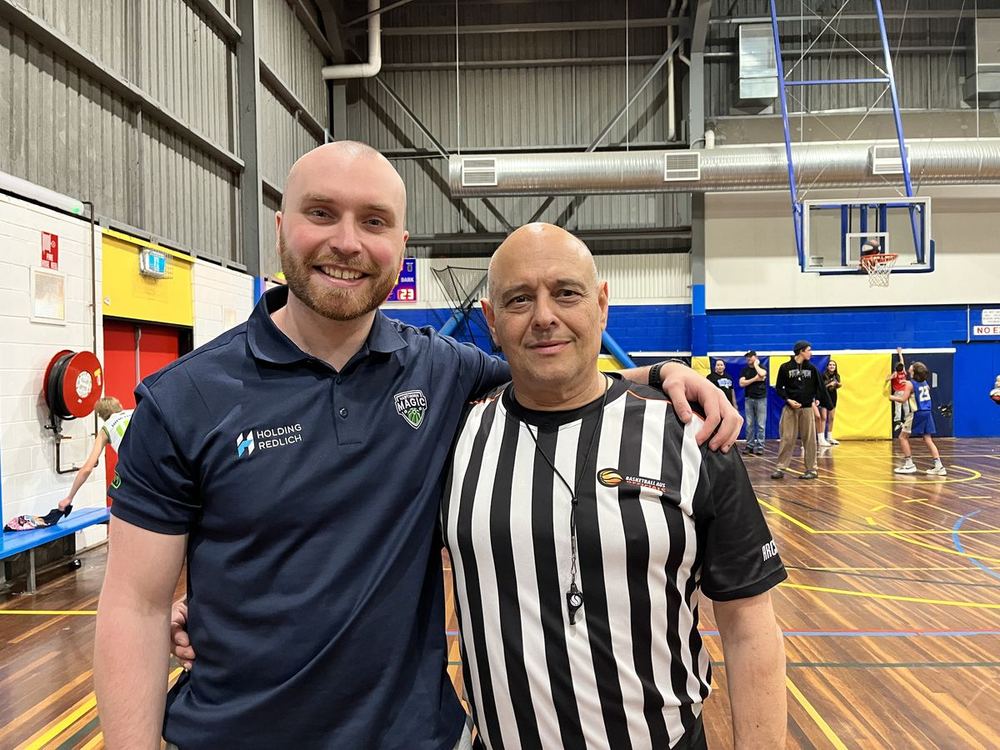
If you have a question that you want answered and it isn't here - talk to head coach Cameron and he can talk you through the question that you have.
More on tryouts and season
Next questions parents ask
Every competition in this guide
Facts on this page were compiled from the official sources below and written up in our own words. Dates, fees and venues change every season, so confirm anything you are relying on with the association directly.
This page was last updated August 2026. Spotted something wrong? Tell us.